
You might not realize that the pulse function in blenders can be a game changer for achieving the perfect texture in your recipes. You’d be surprised how a few quick bursts can transform your ingredients, but there’s more to this function than meets the eye. Understanding its true potential might just elevate your blending experience to a whole new level.
Some of the links in this article may be affiliate links. If you make a purchase through these links, we may earn a small commission at no extra cost to you. Thank you.

Understanding the Pulse Function
Many high-performance blenders feature this functionality, making it easier to tackle tough blending tasks, especially when preparing ingredients for soups or sauces high-performance blenders.
The Pulse function isn’t just about speed; it’s about precision.
Benefits of Using Pulse
Another advantage of using the Pulse function is that it helps prevent over-blending.
Ideal Uses for the Pulse Button
Discovering the full potential of the Pulse button can transform your blending experience, especially with specific tasks that require a delicate touch. This versatile feature allows for quick bursts of power, giving you better control over your ingredients. Here are some ideal uses for the Pulse function:
| Task | Description | Benefit |
|---|---|---|
| Chopping Nuts | Use short pulses to achieve desired size | Prevents over-mixing |
| Making Chunky Salsa | Blend tomatoes and veggies for a textured mix | Achieves the perfect texture |
| Grinding Meat | Pulse to control the grind size | Keeps meat from becoming mushy |
| Chopping Vegetables | Quick bursts create smaller pieces | Maintains crispiness |
| Crumb Toppings | Use the Pulse button for fine texture | Perfect for recipes needing a crumb base |
The Pulse button’s ability to provide precise control guarantees you won’t over-process your ingredients. Whether you’re making a chunky salsa or chopping vegetables, the Pulse function is your best friend for achieving the perfect texture every time. Embrace this feature, and you’ll see how it elevates your culinary creations!
Pulse vs. Continuous Blending
Understanding the differences between the Pulse function and continuous blending can greatly enhance your blending skills.
The Pulse function delivers short bursts of high-speed blending, allowing you to achieve intense blending action. This is particularly useful when you want to maintain control over the texture of your ingredients. For example, if you’re making salsa or guacamole, the Pulse function helps prevent over-processing, ensuring you keep those delightful chunks intact. Additionally, when preparing recipes like frozen margaritas, using the Pulse function can help you achieve the perfect icy consistency without ending up with slushy ice best blenders for crushing ice.
On the other hand, continuous blending operates at a steady speed, which is perfect for creating smooth purees or soups. While this method is great for uniformity, it can sometimes lead to over-blending, resulting in a texture that’s too smooth or even watery.
When it comes to tasks requiring precise texture control, the Pulse function is your best friend. It allows you to incorporate ingredients meticulously and achieve the desired consistency without going too far. Ultimately, knowing when to use each mode can make a significant difference in your blending outcomes.
Tips for Effective Pulsing
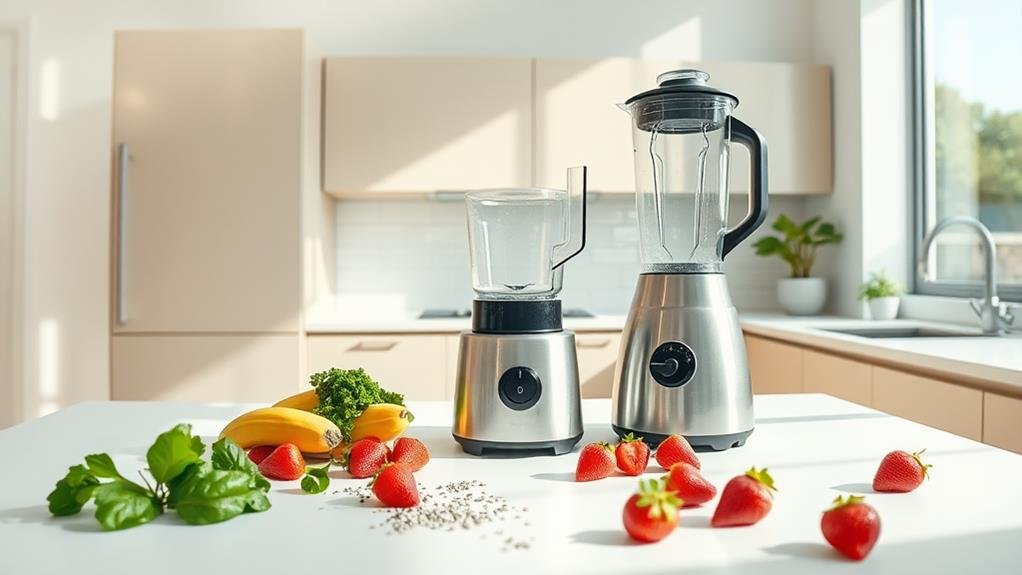
Mastering the Pulse function can take your blending to the next level, and there are a few tips that can help you use it effectively.
First, try using short bursts of power, around 0.25 to 2 seconds, for precise blending control. This technique allows you to achieve the perfect texture without risking over-blending.
When you’re aiming for a chunkier consistency in recipes like salsas or dips, pulsing is your best friend. Instead of blending everything into a smooth puree, pulsing helps maintain the integrity of the ingredients, giving you that desired texture.
It’s also a good idea to keep an eye on your ingredients while pulsing. This way, you can stop as soon as you reach the consistency you want. Remember, less is often more when it comes to pulsing!
Frequently Asked Questions
What Does the Pulse Function Do?
What Does Pulse on Vitamix Do?
This blending technique is a fantastic kitchen tool for various recipe ideas without over-processing ingredients!
How to Use Pulse Function in Mixer Grinder?
What Is the Pulse Function on the Ninja Blender?
You can whip up smoothies, chop ingredients, and prepare food effortlessly. It’s a must-have feature among kitchen gadgets for efficient meal prep.
Conclusion
To sum up, the pulse function truly transforms your blending experience. It’s like having a conductor guiding your ingredients, allowing you to create everything from chunky dips to finely chopped veggies with ease. By using short bursts, you maintain control and prevent over-blending, ensuring each dish has the perfect texture. Embracing this feature can elevate your culinary creations, making the pulse button an essential tool in any kitchen. So, don’t hesitate—give it a try and blend with confidence!