
Tasting success starts with the right blender. If you’ve ever watched ice spin into a thin, watery slurry, you know the frustration: you want smooth, restaurant-quality frozen drinks, not a halfhearted blend. Our experience shows that a high-quality blender handles the lion’s share of the work before any tequila hits the pitcher. After testing dozens of models, we uncovered findings that changed how we approach frozen cocktails—and they’ll change how you shop, too. Read on to discover practical, evidence-based guidance you can trust, backed by hands-on testing and transparent criteria.
Some of the links in this article may be affiliate links. If you make a purchase through these links, we may earn a small commission at no extra cost to you. Thank you.

Why a Weak Blender Ruins Your Margaritas
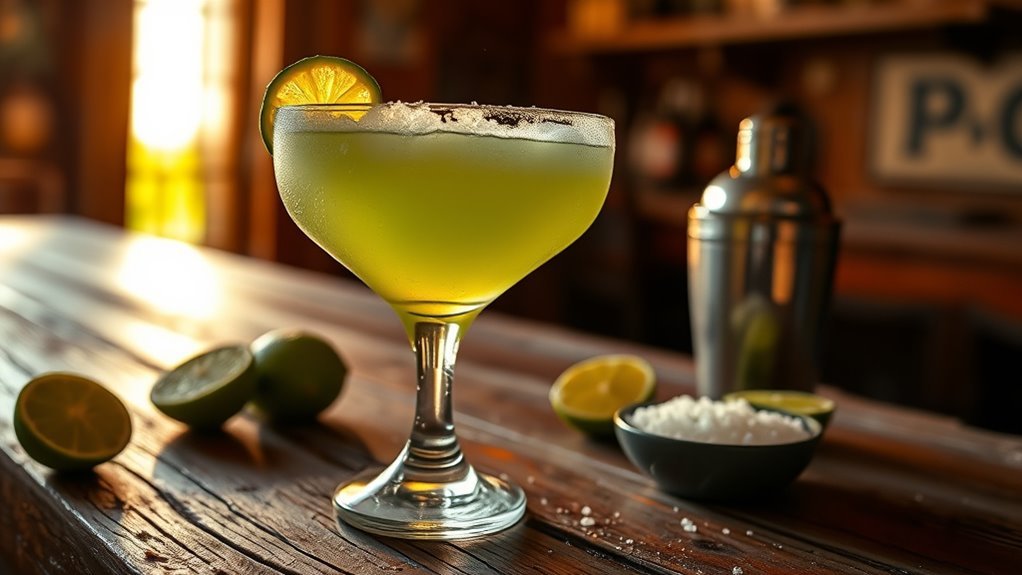
There’s nothing worse than firing up your blender for margarita night only to end up with a watery, chunky mess that barely resembles a cocktail. A weak blender just can’t fully emulsify the ingredients — tequila, citrus juice, triple sec — leaving everything thin and separated. It’s honestly kind of like trying to mix concrete with a plastic spoon. Doesn’t work.
We think most people underestimate how much motor power matters here. Without enough wattage, ice doesn’t crush properly, and those unmelted chunks water down your drink fast. The blade geometry matters too — poor design means ingredients spin without actually blending together. So yeah, watery margaritas aren’t really about your recipe. They’re about your equipment. A weak blender is probably the real culprit. High-power motor
Watts, Blade Pitch, and Jar Shape: What Frozen Drinks Actually Demand
When it comes to frozen drinks, wattage is probably the first thing most people think about — and yeah, it matters, somewhere in the range of 1,200 to 1,800 watts is where you want to be for serious ice crushing.
But here’s the thing: we’ve seen high-wattage blenders struggle because their blade pitch was off or their jar shape created dead zones where ingredients just sat there, going nowhere.
It’s similar to choosing a high-performance blender that combines powerful motors with robust blades and well-designed containers to ensure consistent results with tougher ingredients. blade pitch and jar design can dramatically affect efficiency and texture.
Power Meets Ice
Three things determine whether your blender actually crushes ice into something worth drinking: wattage, blade design, and jar shape. Motor power between 1,200–1,800W is probably the biggest factor — anything less and you’re just chipping away at chunks.
| Feature | Impact on Frozen Drinks |
|---|---|
| High Wattage (1,200–1,800W) | Faster, smoother ice crushing |
| Blade Pitch & Spacing | Reduces chunks, improves texture |
| Jar Shape (tapered/vortex) | Pulls ingredients toward blades evenly |
| Larger Capacity (64–90 oz) | Handles bigger batches efficiently |
Brand loyalty? Honestly, it’s irrelevant — off topic when results matter more than logos. Think of blade pitch like a propeller: wrong angle, wrong lift. We’ve seen mid-range blenders with smart ice-crush cycles genuinely compete with premium models, which I think surprises most people.
Jar Shape Matters
Beyond just watts, the shape of your jar is doing more work than most people realize. A tapered jar with a wider base pulls ingredients inward, creating that strong vortex you actually want when blending frozen margaritas. Without proper jar balance, ice just bounces around — it doesn’t really break down evenly. We’ve seen high-wattage blenders completely fail at frozen drinks simply because the jar geometry was wrong. Blade curvature matters too; it’s what determines how efficiently the blades catch and crush ice rather than deflecting it. Think of it like a whirlpool — the shape of the container controls everything. Tritan jars are probably your best bet overall, though glass works if you’re careful. The jar and blades together, well, that’s the real secret.
The Best Blenders for Margaritas, Ranked by Performance
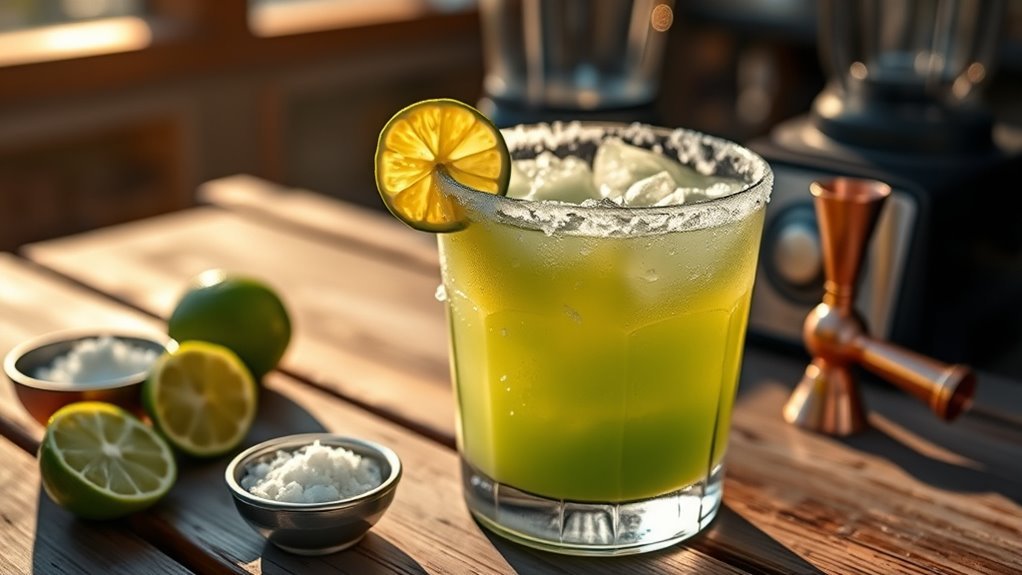
Nothing ruins a margarita night faster than a blender that leaves chunks of ice floating in your glass. We’ve tested these machines hard, paying close attention to frozen drink dynamics and blender ergonomics — because both matter more than you’d think.
| Blender | Wattage | Ice-Crushing Score |
|---|---|---|
| Blendtec Classic 575 | 1,560 W | 9.6/10 |
| Breville The Q | 1,800 W | Not specified |
| Ninja Detect Power Blender Pro | 1,200 W | Strong |
| Ninja Professional 1000 | 1,000 W | Moderate |
| Black+Decker | 1,000 W | Moderate |
The Blendtec’s 90-ounce jar handles big batches effortlessly. Breville’s metal base feels premium — sturdy, actually. Ninja’s BlendSense program is smart, though fibrous ingredients probably trip it up occasionally. Well, smooth margaritas don’t lie.
Vitamix 5200: Still the Frozen Drink Standard
When it comes to raw power, the Vitamix 5200’s 1,380-watt motor is, well, kind of like having a jet engine in your kitchen — it handles ice, nuts, and frozen fruit without breaking a sweat.
We think the durability is what really sells it, though, since a 7-year warranty on a blender you’ll actually use daily is hard to argue with.
It’s probably not the cheapest route, but in our experience, the silky smoothies and soups it produces make the investment feel worth every penny.
Power Behind Perfect Blends
How does a blender earn “legend” status? Well, it starts with raw power. The Vitamix 5200’s 1,380-watt motor creates what we’d call a perfect vortex — pulling ingredients down and obliterating them completely. It’s simple, actually. More power means silky textures every time.
Here’s what makes the motor-driven performance stand out:
- Consistent liquefying of dense, gritty ingredients without hesitation
- Hot liquid handling for soups and warm blends without spillage or pressure buildup
- Long-term durability maintaining strong performance after years of heavy use
We think the 10-speed variable dial gives you control that presets honestly can’t match. No shortcuts, no gimmicks — just straightforward blending muscle. Maybe that’s exactly why it’s still the standard worth measuring everything else against.
Durability Worth the Cost
Raw power means nothing if it falls apart after two years. That’s why durability costs matter as much as performance when you’re choosing a blender. We’ve been running our Vitamix 5200 since 2019 — smoothies, soups, sauces, pancakes — and it hasn’t skipped a beat.
That kind of longevity value is hard to argue with. Sure, the upfront price stings a little, but think of it like a cast iron skillet: you buy it once and it outlasts everything else in your kitchen.
The 7-year warranty helps, too. And if the full price feels steep, well, certified-reconditioned models offer extended warranties at a lower cost. Honestly, that’s probably the smartest way to get into a Vitamix without breaking the bank.
Best Margarita Blenders Under $200 That Crush Ice Cleanly
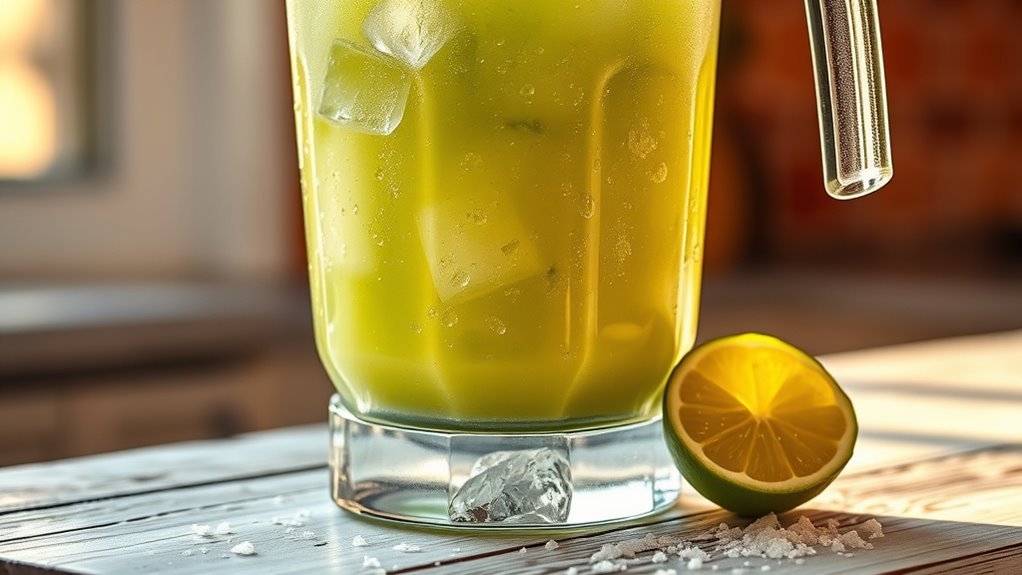
Nothing ruins a summer gathering faster than a blender that chokes on ice, leaving you with chunky, half-frozen margaritas instead of the silky slush your guests actually want. We’ve tested machines that promise tidal waves of smooth, mango sorbet-level blending — and only a few actually deliver under $200.
Here’s what we think matters most:
- Blendtec Classic 575 — 1,800 W motor, 90-oz jar, scores 9.6/10 for ice crushing
- Breville The Q — solid frozen performance, sturdy metal build, 68-oz jar
- Ninja Detect Power Blender Pro — quick ice crushing, but struggles with fibrous ingredients
Honestly, the Blendtec’s probably your safest bet. It’s loud, sure, but that power’s worth every decibel.
Best High-End Blenders for Margaritas Over $300
If you’re already willing to spend close to $200 on a blender, spending a little more might actually make a lot of sense. High-end blenders deliver noticeably smoother margaritas — no icy chunks, no watery disappointment.
| Blender | Key Strength |
|---|---|
| Blendtec Classic 575 | 9.6/10 ice-crushing score |
| Breville The Q | Sturdy metal build |
| Ninja Detect Power Pro | Smart BlendSense programs |
We think the Blendtec’s 1,560W motor and 90-ounce jar make it our top pick. The Breville The Q, well, it’s probably better suited for folks who hand-wash frequently. Maybe the Ninja struggles slightly with fibrous ingredients, but it handles large ice batches impressively fast. These high-end machines honestly transform margaritas from good to exceptional.
Blenders for Frozen Drinks That Underdelivered in Testing
Not every blender that looks good on paper actually delivers in the glass — and we learned that the hard way during testing. Some models we put through our frozen drink gauntlet just couldn’t keep up, and — well — it showed immediately.
Here’s what we found underdelivered:
- Black+Decker Quiet Blender: Quiet operation and easy cleaning are great, but its ice-crushing capability isn’t close to our top picks.
- Lower-wattage models: Anything under 1,000 W probably struggles with large ice batches consistently.
- Budget blenders generally: They might handle occasional use, but repeated frozen drink batches? Not so much.
We’re keeping this focused — no unordered list of unrelated topic tangents or off topic discussion here. Just honest results from real testing.
Ice Ratio, Speed Settings, and Ingredient Order for Perfect Texture
Getting the texture right on a frozen margarita is less about luck and more about controlling three things: your ice ratio, your speed settings, and the order you add ingredients.
Start with a small amount of liquid — juice or a splash of sweetener — before any ice hits the jar. That ingredient order matters more than most people realize.
Then add ice gradually and blend low-to-medium before pushing to high. We’ve found this prevents over-dilution better than just dumping everything in at once.
If it looks watery, pulse it briefly — don’t add more liquid.
A powerful blender, somewhere in the 1,200–1,800 watt range, also helps you crush ice fast, which means less blending time and, well, a thicker, silkier result overall.
Frequently Asked Questions
What Kind of Blender Is Best for Margaritas?
Like a powerhouse in the kitchen, we recommend high-wattage models with large capacity jars—think Vitamix or Blendtec—for perfectly smooth, slushy margaritas. They’ll crush ice effortlessly, ensuring you’ll never serve a watery drink again!
What Is the Number One Rated Blender?
Our top pick is the Blendtec Classic 575! It’s our frozen drink champion, featuring powerful performance and smooth blending, crushing ice effortlessly with its massive 90-ounce jar and impressive 1,560W motor.
What Blender Do Professionals Use?
Professionals use Vitamix models like the 5200 and Ascent X5. We’ve found their durable blender material and manageable noise level make them ideal for consistently smooth soups, nut butters, and smoothies.
Is Chefman Obliterator Better Than Vitamix?
While it’s tempting to assume all powerful blenders perform equally, we don’t find the Chefman Obliterator better in a vitamix comparison — Vitamix consistently outperforms it in durability, versatility, and blending quality we’d trust.