
Choosing a blender over a dedicated juicer can feel like upgrading from a compact car to a full-size SUV—exciting at first, then you notice the extra parts, cleaning, and counter clutter. We get it. The truth is, a high-quality blender can often outpace a juicer when it comes to extracting nutrition from fibrous greens and root vegetables, and it doubles as a versatile kitchen workhorse.
Some of the links in this article may be affiliate links. If you make a purchase through these links, we may earn a small commission at no extra cost to you. Thank you.

In this guide, we’ll cut through the hype and explain exactly which blenders perform best for juice-like results—without sacrificing texture or nutrient integrity. You’ll learn practical, test-backed criteria for evaluating blade design, motor power, and durability, plus real-world performance notes from home cooks and nutrition enthusiasts. Whether you’re aiming for smooth, juice-like beverages or hearty, pulp-forward blends, we’ll show you how to choose a model that delivers consistent, clean results with less cleanup.
Can a Blender Make Real Vegetable Juice?
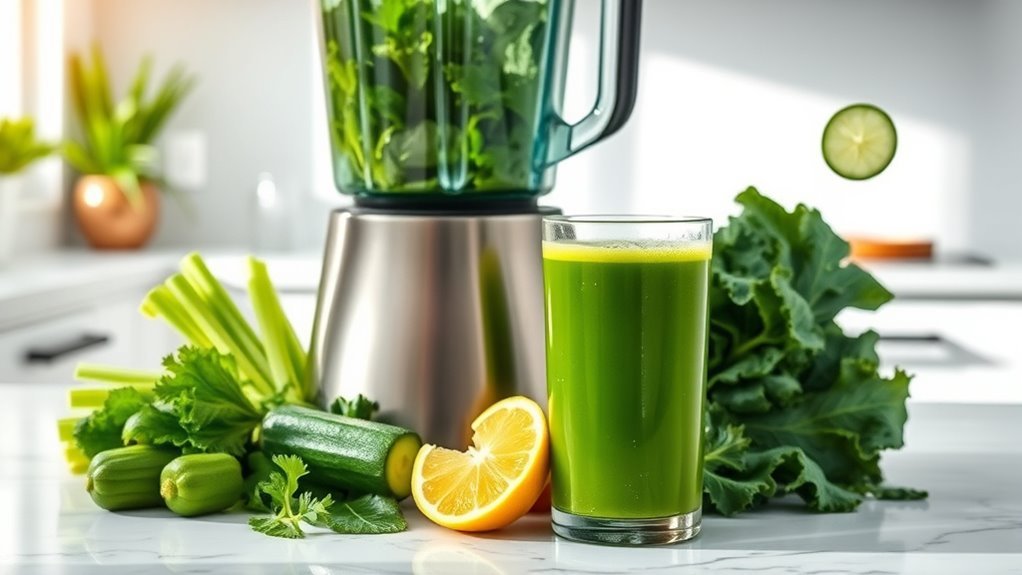
Well, can a blender actually make real vegetable juice? Sort of — and we think that’s a more honest answer than most people expect. One of the biggest vegetable juice myths is that blenders simply can’t do the job. That’s not entirely true. A blender pulverizes whole produce rather than physically pressing liquid out, so you’ll get pulp and fiber mixed in. It’s kind of like wringing out a wet sponge versus just squeezing it — different methods, different results. However, with enough blender torque — ideally 1,000 watts or more — and a good straining setup like a fine mesh or nut milk bag, you can get surprisingly smooth, drinkable vegetable juice. Maybe not identical to a juicer’s output, but genuinely close. High-performance blenders, with their powerful motors and robust blades, can enhance that process further, especially when you need to move larger volumes or blend tougher produce. Nutrient extraction and texture can improve with the right settings and accessories.
What to Look for in a Vegetable Juice Blender
Power’s the obvious starting point. We’re talking 500–1,000+ watts minimum. But honestly, it doesn’t stop there. Here’s what we’d prioritize:
- Motor power — handles tough ingredient sourcing like kale and beets
- Blade quality — sharp, stainless-steel blades cut smoother
- Jar material — BPA-free glass or Tritan holds up long-term
- Variable speed settings — reduces chunks in fibrous produce
Noise levels are probably worth mentioning too — some motors run loud enough to wake the neighbors. Something to consider. High-Power Blenders
The Best Blenders for Vegetable Juice, Ranked
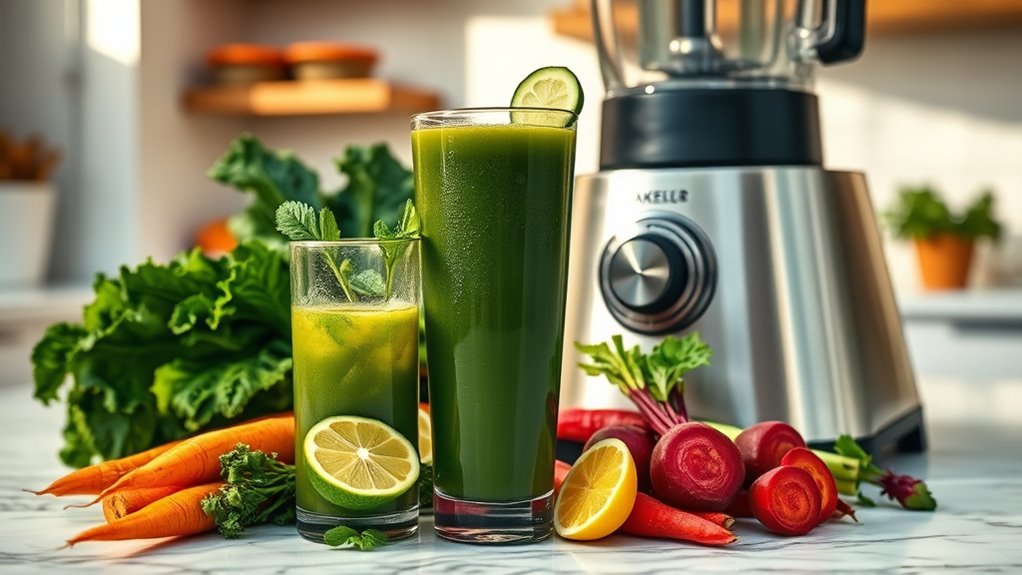
We’ve tested quite a few blenders at this point, and honestly, not all of them are created equal when it comes to handling tough vegetables. Some models power through fibrous greens like kale and beets like it’s nothing, while others struggle and leave you with a chunky, uneven blend — not exactly what you’re going for. Here’s our ranked breakdown of the best blenders for vegetable juice, from top-tier performers to solid budget picks that still get the job done.
Top Performers Ranked
Five blenders made our final cut, and they’re not all created equal. When it comes to blender juice performance, some genuinely outshine the rest.
- Nutribullet Ultra (1200W) – Smoothest fibrous vegetable blends in under 30 seconds.
- Cleanblend Blender (1800W) – Silky textures, superior pureeing, and a 10-year warranty option.
- Vitamix 5200 – Variable speed dial and tamper make thick, green blends effortless.
- Ninja Nutri Blender Plus (900W) – Convenient single-serving cups with push-down activation.
Well, the KitchenAid K150 also made the list, but it’s probably best for occasional, limited-space use — coarser textures are kind of its thing. Each blender fits a different lifestyle, so picking the right one actually depends on what you need most.
Blender Performance Compared
Now that we know which blenders made the cut, it’s worth getting into why they ranked the way they did — because the gap between them is bigger than you’d think.
The Vitamix 5200 dominates on raw power and longevity. It’s built for punishment.
The Cleanblend, though, actually surprised us — it produces silkier smoothies and comes with a 10-year warranty option, which, well, that’s hard to ignore for around $160.
The KitchenAid K150 trails behind in texture and versatility.
Cheaper blenders probably burn out faster too, so blender maintenance ideas matter more than people realize.
And honestly, if noise bothers you, noise reduction tips like using a blending mat can help.
Performance isn’t just motor power — jar design and heat handling count too.
Vegetables That Blend Into Juice (and Ones That Don’t)
Not all vegetables are created equal when it comes to blending into juice — some practically melt into liquid, while others, well, they’ll fight you every step of the way.
We’ve found that soft, water-rich veggies like cucumber and spinach blend up beautifully, but dense ones like carrots and beets are a whole different story.
Knowing which vegetables work with your blender — and which ones don’t — can save you a lot of frustration (and a lot of chunky, undrinkable messes).
Vegetables That Blend Well
When it comes to blending vegetables into juice, not all of them play nice. Some vegetables that blend beautifully create smooth, drinkable results without much fuss. Here’s what we’ve found works best:
- Carrots and beets – Dense but juicy, they blend into rich, smooth textures.
- Cucumbers and zucchini – High water content makes these our go-to base vegetables.
- Celery and spinach – Blend easily, contributing a clean, fresh flavor.
- Kale and chard – They need a little liquid help, but they actually blend surprisingly well.
The blender texture you get from these vegetables is, well, genuinely drinkable. No straining required most of the time. We think starting with cucumbers is probably the smartest move for beginners.
Vegetables To Avoid
So which vegetables should you actually skip when you’re aiming for drinkable juice? Well, avoiding starch is a big one. Potatoes, for example, don’t juice well at all — they’re starchy, dense, and honestly, the texture ends up more like wallpaper paste than anything drinkable.
Corn on the cob is another one we’d steer clear of. Those tough skins and moisture barriers just don’t break down the way you’d want them to.
I think of it like trying to blend a rubber band — it’s just not gonna cooperate. In my experience, these vegetables are better off roasted, steamed, or tossed into a hearty smoothie instead. Stick to what blends, and you’ll save yourself a lot of frustration.
How to Make Smooth Vegetable Juice in a Blender
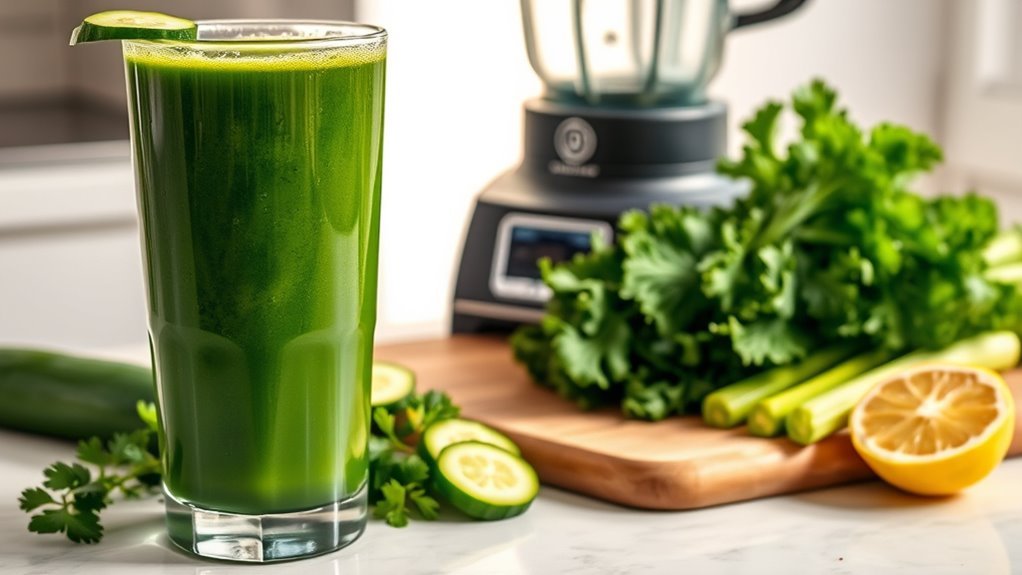
Making smooth vegetable juice in a blender is actually easier than most people think — we don’t need a fancy juicer to pull it off. Think of it like cooking pasta: the right technique matters more than fancy equipment.
Here’s our go-to process:
- Blend cold — Start with about 4 cups of cold water, blending low before increasing speed.
- Use high wattage — 900–1800 watts breaks down fibrous veggies fast, maybe 30 seconds to 2 minutes.
- Master pulp management — Strain through a nut milk bag or fine-mesh sieve for cleaner juice.
- Boost flavor — Lemon juice or ginger adds brightness without complicating smoothies stability.
Don’t toss that pulp — it’s perfect for soups or baking.
Simple Tricks for Better Vegetable Juice Every Time
Now that we’ve got the basic process down, a few small tweaks can make a real difference in the final glass. These simple tricks are honestly easier than you’d think. First, always use ice-cold water — it helps preserve nutrients and keeps the juice tasting fresh.
Blend your greens first with just a little water, then add everything else. It’s kind of like building a sandwich from the bottom up, layering things in the right order matters.
For better juice texture, strain through a fine mesh or nut bag. Don’t skip this step. And consume your juice quickly — nutrients start breaking down faster than you’d probably expect. Small habits, big results.
Frequently Asked Questions
Can I Juice Vegetables in a Blender?
Yes, we can juice vegetables in a blender! Blend various vegetable textures with water, then strain through a fine-mesh strainer. For easy cleaning tips, rinse your blender immediately after use.
Can You Use a Blender Instead of a Juicer to Make Juice?
Yes, we can use a blender instead of a juicer! Blend, then strain to remove pulp—though pulp retention impacts health benefits. We’d also consider the ethics of juice labels when sharing blended “juice” with others.
What Blender Is Good for Juicing?
Like a powerhouse athlete, we’d recommend a high-powered model between 1,200–1,800 watts for maximum juicing potential. Its blender versatility means we’ll extract smoother, silkier juice effortlessly every time.
What Is the Number One Rated Blender?
In our blender rankings, we’d say the Vitamix 5200 is among the best rated blenders. It’s our top pick, offering the widest speed range and outstanding performance for all your blending needs.