When we're preparing food for babies with allergies or special dietary needs, we can't afford to take chances with cross-contamination or unsafe materials. The right blender isn't just about pureeing food – it's an important tool for ensuring our little ones stay safe while getting the nutrition they need. We'll explore how specific blender features, materials, and preparation techniques work together to create safe, allergen-free baby food that meets individual dietary requirements. Let's discover the essential elements that make certain blenders better suited for preparing specialized infant meals.
Some of the links in this article may be affiliate links. If you make a purchase through these links, we may earn a small commission at no extra cost to you. Thank you.

Understanding Baby Food Allergies
When preparing homemade baby food, understanding food allergies is essential for your child's safety and wellbeing. We've seen a significant increase in food allergies among children, with current statistics showing that 5-8% of kids under age three have some form of food allergy. Clinical studies utilizing double-blind food challenges have confirmed these higher reaction rates in infants.
That's why we need to be vigilant about identifying and managing these sensitivities early on.
Let's focus on the most common allergens we encounter when making baby food. Milk tops the list at 2% prevalence, followed by eggs at 1.8% and peanuts at 3.2% in children.
We'll also want to watch out for wheat and soy, which frequently cause reactions in infants. When we're introducing these foods, we need to monitor for food allergy symptoms, which can range from mild reactions to severe anaphylaxis.
If we notice any concerning signs, it's essential to seek proper medical diagnosis through methods like the double-blind, placebo-controlled food challenge.
Essential Blender Safety Features
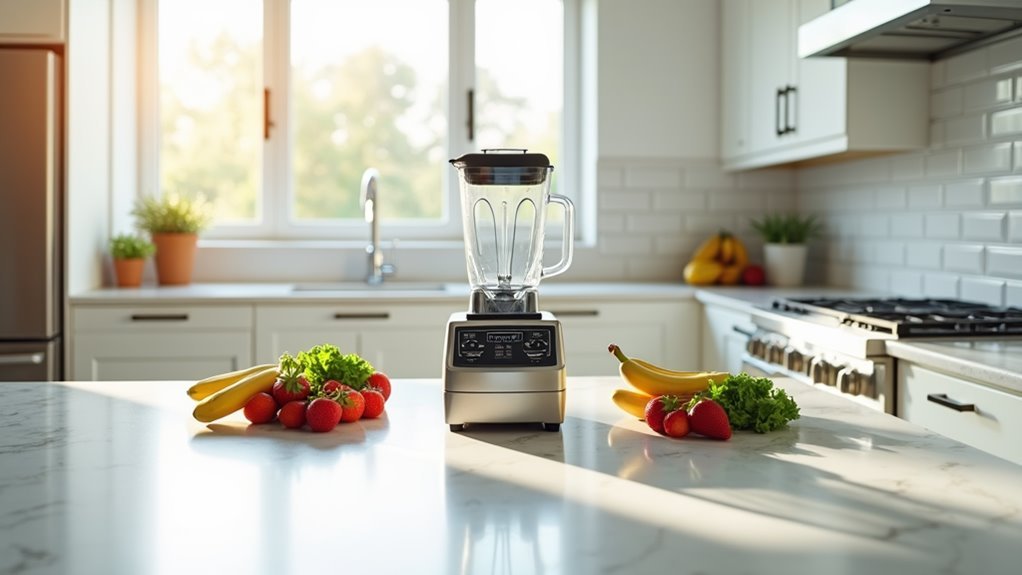
Safety features in baby food blenders consistently rank as our top priority when preparing homemade meals for infants. We've found that a user friendly design combined with proper safety certifications guarantees peace of mind while creating nutritious purees for our little ones. Let's explore the essential safety components that we should look for in a baby food blender. High-performance blenders can provide additional reliability for precise food preparation.
| Safety Category | Key Features | Why It Matters |
|---|---|---|
| Material Safety | BPA-free components | Prevents chemical exposure |
| Cleaning | Dishwasher-safe parts | Reduces bacterial risks |
| Operation | Safety locks | Prevents accidents |
| Storage | Child-proof design | Guarantees safe storage |
| Construction | Quality materials | Guarantees durability |
We can't stress enough how important it is to choose blenders with built-in safety mechanisms and easy-to-clean components. When we're preparing food for sensitive tummies, we need to verify that every part of our blender meets strict safety standards. From the stainless steel blades to the BPA-free containers, each component should work together to create a secure blending environment. A quiet operation motor ensures food preparation can continue even during naptime without disturbing your baby. Additionally, we should always confirm that our chosen blender includes automatic shut-off features and secure lid mechanisms to prevent any accidents during operation.
Top Allergen-Free Blender Models
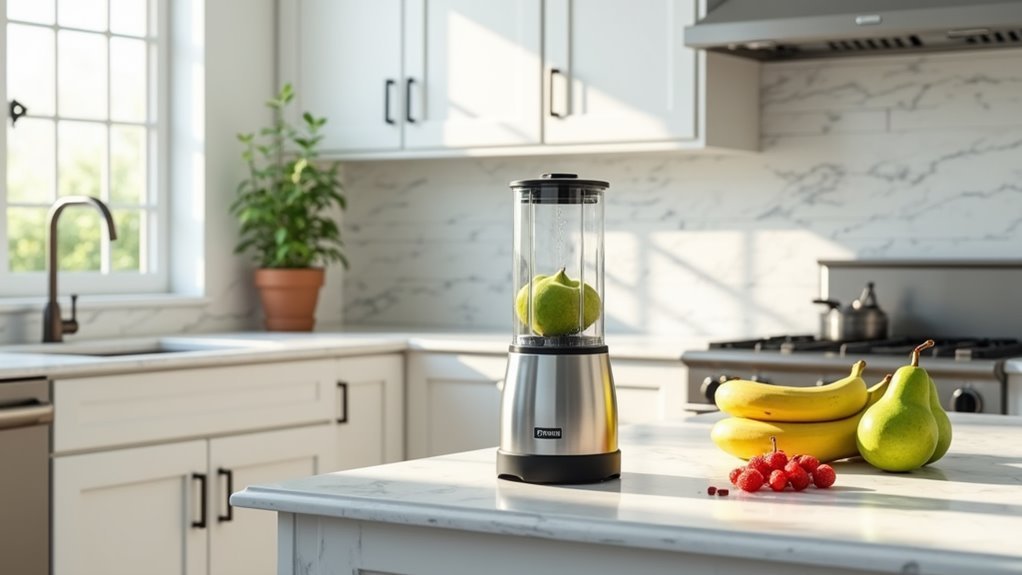
Considering the unique needs of babies with food sensitivities, we've identified several blender models specifically designed to prevent allergen cross-contamination during food preparation.
For ideal blender efficiency, we recommend the Beaba Babycook Neo, which features an all-glass and stainless steel construction that eliminates concerns about plastic contamination while offering versatile steaming and blending capabilities. The ability to steam and defrost makes it particularly suitable for preparing various textures as your baby develops.
The Vitamix Ascent Series stands out for its recipe adaptability, providing multiple container options that are completely dishwasher-safe, making it easy to maintain a strictly allergen-free preparation environment.
We're also impressed by the NutriBullet Baby Food Processor's specialized system, which includes dedicated blending cups and storage containers to prevent cross-contamination.
For those seeking an all-in-one solution, the Baby Brezza Food Maker Deluxe combines cooking and blending functions in a glass bowl, while the GoWise USA Blender offers excellent pureeing performance with a built-in heating element.
Each of these models provides the control and precision needed to create safe, allergen-free baby food while maintaining the nutritional integrity of your carefully selected ingredients.
Cleaning and Cross-Contamination Prevention
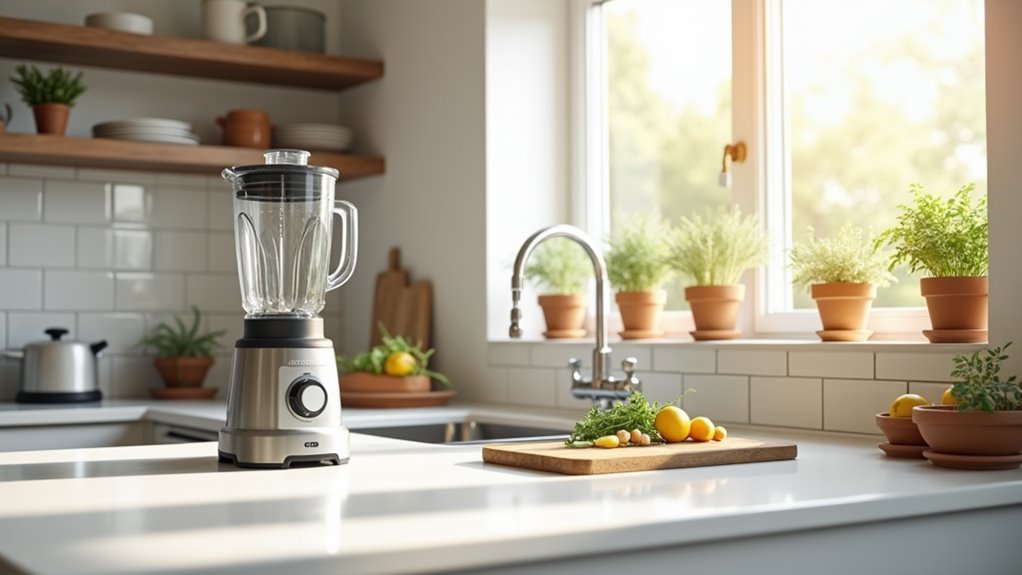
Maintaining a hygienic blender environment goes hand-in-hand with allergen prevention. We'll walk you through essential cleaning techniques that'll keep your baby's food preparation safe and contamination-free.
After each use, we recommend immediately disassembling your blender's components, including the jar, lid, and blades. Using hot water and mild soap, thoroughly wash each part in a dedicated cleaning basin to prevent cross-contamination risks.
While it's tempting to use strong chemicals, stick to gentle cleaners that won't leave harmful residues. For stubborn buildup, a mixture of water and vinegar works wonders during deep cleaning sessions. Never use bleach or chemical disinfectants as they can be harmful to your baby's health.
Don't forget about proper sanitization – we've found that steam cleaning or boiling parts effectively eliminates bacteria. High-performance blender features like larger, more durable jars can make cleaning and maintenance easier.
When you're done, let everything air dry completely before storage. We suggest keeping your cleaned parts in a protected space away from dust and other allergens.
Remember to regularly inspect components for wear and tear, as damaged parts can harbor harmful bacteria. By following a consistent cleaning schedule and maintaining your blender properly, you'll create the safest possible environment for preparing your baby's special diet foods.
Preparing Different Texture Levels
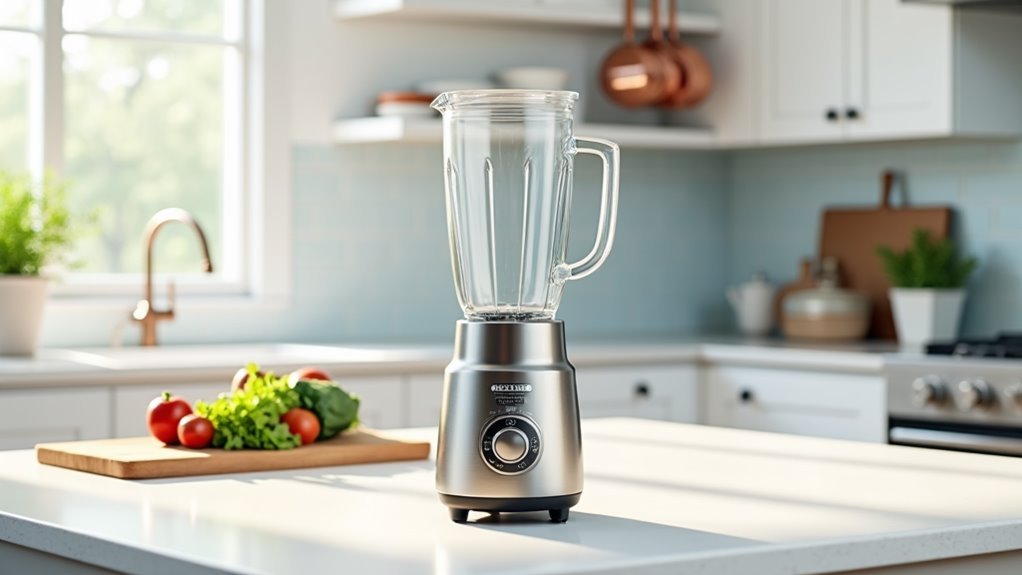
As your baby grows and develops, mastering different food textures becomes an essential part of their feeding journey. We'll guide you through texture progression, starting with smooth purees and gradually moving toward thicker consistencies that aid in developing your little one's eating skills.
Single-grain iron-fortified cereals make excellent first foods to practice smooth textures. Let's begin with basic purees, where we'll blend cooked vegetables, fruits, or proteins with breast milk, formula, or water until completely smooth. As your baby shows readiness, we'll reduce the liquid content to create thicker textures.
Using various blending techniques, we can adjust the consistency to match your baby's developing abilities.
For babies with allergies or sensitivities, we'll carefully introduce one ingredient at a time, watching for any reactions. We don't need to add salt, spices, or seasonings – simple, pure ingredients work best.
When working with proteins like chicken or fish, we'll first finely chop them before blending to guarantee smooth results.
Through thoughtful texture modifications and careful attention to ingredients, we can create safe, nutritious blends that support your baby's growth while respecting their dietary needs.
Storage and Batch Processing
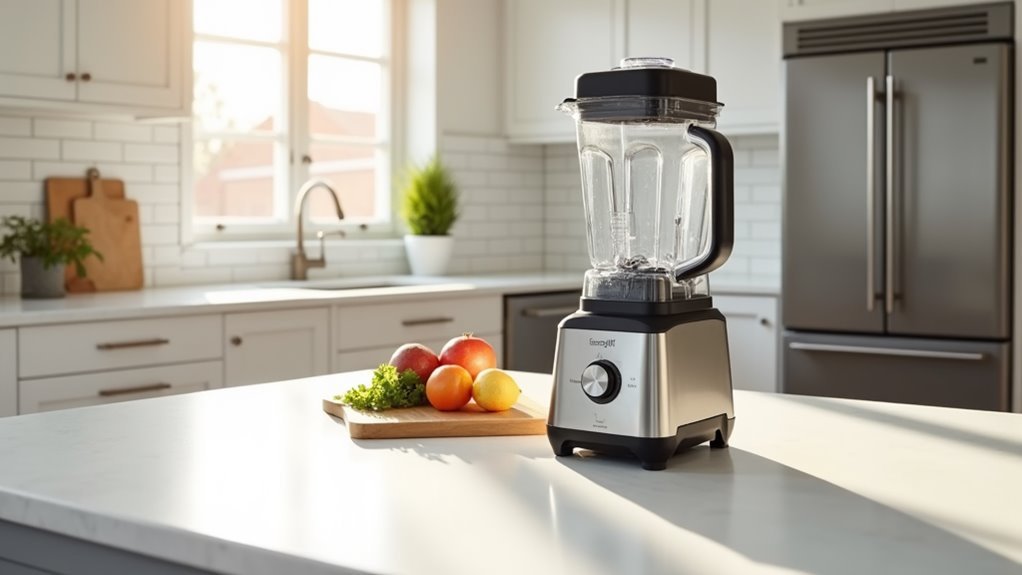
With proper storage techniques, homemade baby food can remain fresh, nutritious, and safe for your little one. We've found that following a few essential storage tips can help you maintain both quality and peace of mind.
Let's start with refrigeration, which keeps purees fresh for 2-3 days, while freezing extends storage time considerably for batch processing convenience. Clean thoroughly after use will prevent cross-contamination and ensure food safety.
When we're batch processing baby food, we recommend using ice cube trays or small airtight containers to portion out individual servings. After freezing, we transfer these cubes to freezer bags, labeling them with dates and contents to track freshness. For ideal nutrient retention, we suggest consuming frozen baby food within 1-3 months.
We always emphasize using BPA-free containers that are microwave, dishwasher, and freezer-safe for maximum convenience.
Material and Component Considerations
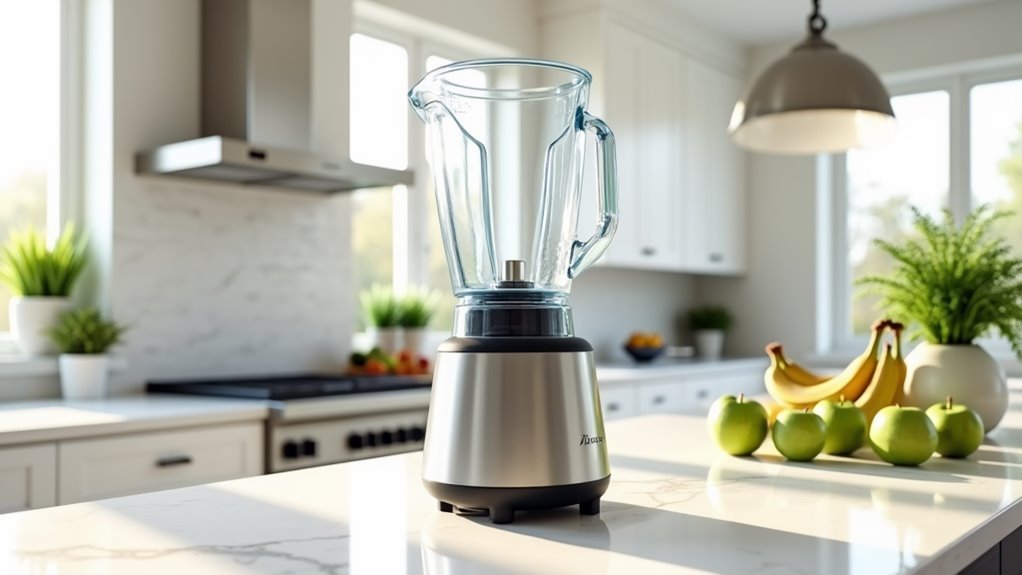
Safety and durability form the foundation of choosing a baby food blender's materials and components. We've found that material durability isn't just about longevity – it's about maintaining a safe, clean environment for your little one's food preparation. Strict manufacturing regulations ensure every component meets food safety standards.
When selecting a blender, we'll want to focus on BPA-free components and food-grade materials that won't leach harmful chemicals into your baby's meals.
The best blenders feature hypoallergenic materials and stainless steel blades that resist wear while maintaining their edge. We recommend looking for models with easily removable parts and dishwasher-safe components, making cleanup a breeze while preventing bacterial growth in hard-to-reach areas.
For families managing allergies, it's essential to choose blenders with smooth, non-porous surfaces that won't trap allergens.
Let's not forget about specialized features for dietary restrictions. We've seen great success with blenders that offer variable speed settings and customizable blending options, allowing you to achieve the perfect texture for your baby's specific needs.
When paired with allergen-friendly containers and dedicated-use practices, these features create an extensive solution for preparing safe, nutritious baby food.
Frequently Asked Questions
How Long Can Blended Baby Food Stay at Room Temperature?
We recommend following food safety and serving guidelines by never leaving blended baby food at room temperature for more than 2 hours, as bacteria can multiply quickly after that timeframe.
Can I Use Frozen Fruits Directly in the Blender for Baby Food?
Safety first keeps little ones thriving. We don't recommend blending frozen fruits directly – let's cook them first. For safe frozen fruit preparation, steam or bake before blending to guarantee baby's digestive comfort.
At What Age Should I Transition From Pureed to Chunky Textures?
We'll start texture progression in baby food between 6-9 months, but watch for your baby's signs of readiness like handling thick purees and making chewing motions before advancing textures.
Should I Cook Vegetables Before or After Blending for Baby Food?
We always recommend cooking vegetables before blending for baby food. This guarantees proper cooking methods, safer textures, and better nutrient retention. Plus, it's easier to control our blending techniques for ideal consistency.
Can I Blend Breast Milk or Formula With Solid Foods?
Where there's a blend, there's a way! We can safely mix breast milk or formula with solid foods, following proper blending techniques and storage guidelines. Just discard any mixture after one hour.
Conclusion
We've explored how the right blender can make all the difference for babies with food sensitivities. Just like we discovered when our own little ones needed special diets, investing in allergen-safe equipment brings peace of mind. By following proper cleaning protocols, choosing hypoallergenic materials, and maintaining consistent texture control, we're creating safer, healthier meals for sensitive tummies. Let's keep prioritizing our babies' dietary needs through informed blending choices.